
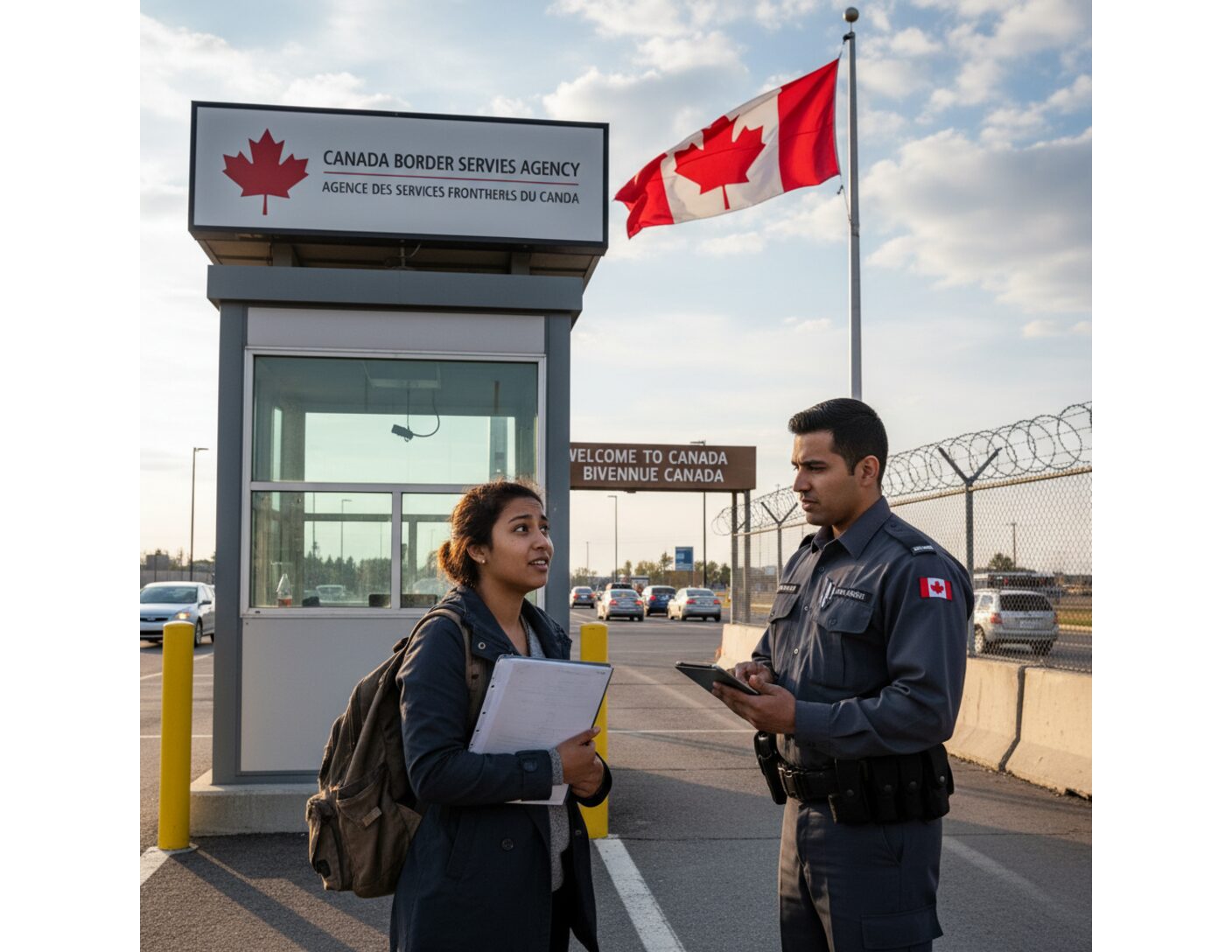
Refugee Claimants Today in Canada
Refugee Claimants Today in Canada. Canada has long been known for its commitment to providing refuge to people fleeing persecution and conflict. As of 2025, the country continues to receive a significant number of refugee claims, shaping both its immigration landscape and humanitarian responsibilities.
This article delves into the current state of refugee claimants in Canada, offering updated 2025 statistics, comparisons with past years, and an analysis of the system’s positives and challenges.
Understanding these facets is key to appreciating Canada’s achievements and hurdles in its refugee protection efforts.
2025 Refugee Claimant Statistics and Trends
In the first half of 2025, Canada received approximately 17,325 refugee claims at various ports of entry, including air, land, and marine entries, as well as inland offices. This figure continues an upward trend observed in recent years. For comparison, in 2023, Canada processed roughly 37,000 refugee claimants, more than double the figure from 2018, when only about 14,000 claims were accepted.
The recognition rate—the percentage of claims accepted on merit—has also risen significantly. In 2018, the acceptance rate stood at around 64%, but by the first nine months of 2024, this figure had climbed to an impressive 82%. This increase reflects both the evolving global context of forced displacement and Canada’s increasingly stringent but responsive assessment of protection needs. For more info: canada.ca/en/immigration-refugees-citizenship/
Refugee Claimants Today in Canada. Land border crossings have seen the most notable rise in claims, particularly from individuals crossing the Canada-US border. In 2025, land port entries accounted for over 10,655 claims in the first half of the year—nearly double the number from a few years prior due to factors including political instability, violence, and human rights concerns in various source countries.
Geographic and Demographic Shifts
Refugee Claimants Today in Canada. The majority of claims continue to come from countries experiencing conflict and persecution, including Iran, Turkey, and others, where claimants have very high approval rates (over 95% acceptance). Notably, there has been a sharp increase in claims from the United States, primarily among transgender people seeking asylum due to increasingly restrictive laws impacting their rights.
While the number of claims is high, it’s important to recognize that many refugee claimants face a backlog resulting in long waiting periods—some extending to years—before their cases are fully processed, contributing to uncertainty and hardship. For more info: irb-cisr.gc.ca
Positives of Canada’s Refugee System
- Strong Protection Framework: Canada places a high value on human rights and adherence to international refugee conventions. The system seeks to evaluate claims meticulously, providing vital protection to those fleeing persecution.
- Private Sponsorship Programs: In addition to government-assisted refugees, Canada has a robust private sponsorship system that enables communities to actively participate in refugee resettlement, fostering social integration and support networks.
- Improving Acceptance Rates: The rising acceptance rate indicates more effective identification of genuine refugees, ensuring protection for those truly at risk.
- Resource Commitment: The government’s increased spending on refugee processing and settlement services reflects a commitment to maintaining a humane and effective system.
- Opportunities for Resettlement: Refugees benefit from social services, healthcare, education, and opportunities to rebuild their lives safely in Canada.
Challenges and Criticisms
- Backlogs and Delays: Despite the resources invested, processing times remain long, leaving refugees in limbo and exacerbating psychological and financial stress.
- Limited Quotas and Cuts: The Canadian Council for Refugees has criticized recent reductions in refugee admission targets, arguing that they undermine commitments to global humanitarian responsibilities and separate families for extended periods.
- Border Security and Policy Gaps: Secure but humane control of land borders remains a challenge, especially regarding balancing asylum rights with immigration enforcement, often leading to legal and ethical debates.
- Access Inequality: Claimants from some countries face different acceptance probabilities, leading to concerns about consistency and fairness in adjudication.
- Public Perception and Political Pressures: Refugee intake occasionally becomes a politicized issue, influencing policies and resource allocation, sometimes to the detriment of refugees’ welfare.
Moving Forward: The Future of Refugee Claims in Canada
Refugee Claimants Today in Canada. Looking ahead, Canada faces the dual challenge of managing increasing demand for refugee protection while ensuring timely, fair, and compassionate processing. Policy targets are currently set lower compared to recent years, reflecting concerns over housing, public services, and integration capacity. For 2025, the government capped new permanent resident admissions at 395,000, down from 485,000 in 2024, affecting overall refugee intake as well.
Advocacy groups call for reversing these cuts and expanding the humanitarian component to reduce backlogs and family separations. Enhanced cooperation with international organizations, investment in digital processing systems, increased funding for legal aid, and expanded private sponsorship programs are potential pathways to improving outcomes for refugee claimants. For more info: unhcr.ca/in-canada/statistics-on-asylum-seekers-in-canada/
Conclusion
Refugee Claimants Today in Canada. Canada’s refugee claimant system in 2025 reflects a complex balance: it provides vital protection for thousands fleeing danger, showing a strong commitment to international humanitarian principles. At the same time, the system faces serious operational and policy challenges, including delays, reduced quotas, and border management issues, that require ongoing attention and reform.
By addressing these challenges with compassion, efficiency, and fairness, Canada can continue to be a beacon of hope for refugees worldwide, ensuring that those who seek sanctuary find not only safety but also the opportunity for renewed life and dignity.